
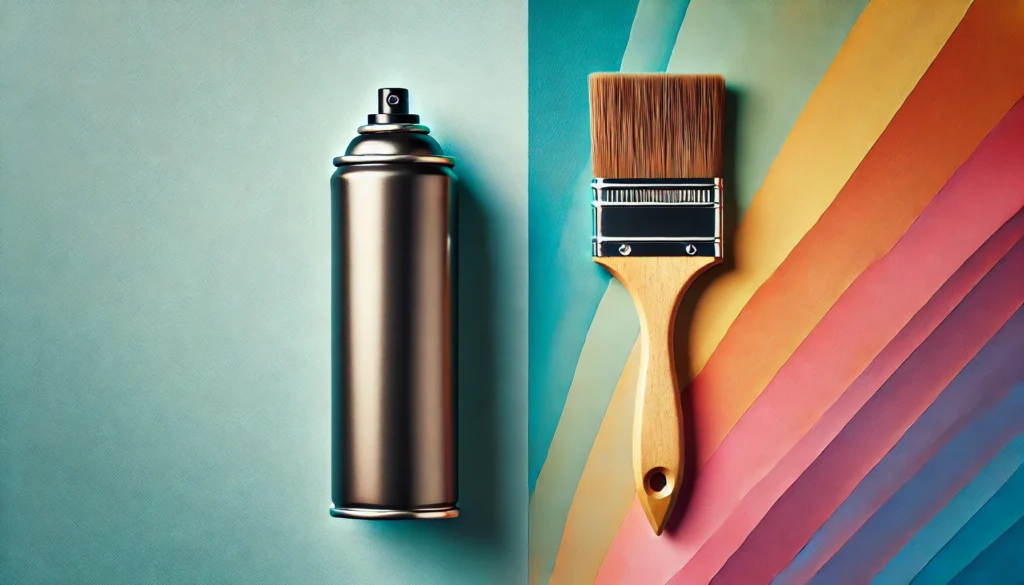
When it comes to painting, the tools you choose can have a significant impact on the outcome of your project. Spray painting and brush painting are two of the most popular methods, each offering unique advantages and disadvantages. Understanding which method suits your specific needs can save you time, effort, and money while ensuring a professional finish. Let’s dive into the pros and cons of each approach to help you decide which is best for your project.
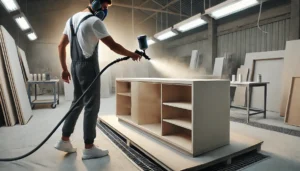 Spray Paint: Speed and Smoothness
Spray painting is a method that involves applying paint using an aerosol can or a sprayer. It’s known for its efficiency and ability to create a smooth, even finish.
Advantages:
- Fast Application: Spray painting covers large surfaces quickly, making it ideal for big projects like fences, furniture, and walls.
- Even Coating: The fine mist produced by sprayers ensures a consistent finish without visible brush strokes.
- Great for Hard-to-Reach Areas: Spray paint easily coats corners, crevices, and uneven surfaces, providing comprehensive coverage.
Disadvantages:
- Requires Preparation: You’ll need to mask off surrounding areas to prevent overspray, which can be time-consuming.
- Higher Paint Usage: Sprayers tend to use more paint compared to brushes, which can increase costs.
- Not Ideal for Detailed Work: Precision can be challenging, making spray paint less suitable for intricate designs or small areas.
 Brush Painting: Precision and Control
Brush painting involves using a handheld brush to apply paint, offering a more traditional approach.
Advantages:
- Precise Application: Brushes provide excellent control, making them perfect for detailed work like trim, edges, and small surfaces.
- Cost-Effective: Brushes waste less paint compared to sprayers, helping you save on materials.
- Low Setup Time: Unlike spray painting, brush painting doesn’t require extensive masking or specialized equipment.
Disadvantages:
- Slower Process: Brush painting takes more time, especially on larger surfaces.
- Visible Strokes: Without proper technique, brush marks may be noticeable on the finished surface.
- Less Ideal for Large Areas: Covering a large surface with a brush can be labor-intensive and time-consuming.
 Which Should You Choose?
The right method depends on your project’s specific requirements:
- Choose Spray Paint if you’re working on large surfaces, uneven textures, or need a smooth, professional finish in a short time.
- Choose Brush Painting if you’re tackling smaller areas, intricate details, or projects where precision is critical.
For some projects, a combination of both methods might be the best approach. For example, you can use a sprayer for the primary surface and a brush for touch-ups and edges.
 Conclusion
Both spray paint and brush painting have their merits, and the best choice depends on your project’s scope, surface, and desired outcome. By understanding the strengths and limitations of each method, you can achieve stunning results that match your vision.